
Short-Term Emergency Preparedness Checklist for the American Guerrilla
This checklist is for a short emergency: anywhere from three days to two weeks without power, without stores, or without help on the way. Think hurricane, ice storm, a long blackout, or a few rough weeks where the shelves are empty. You don’t need a bunker or a garage full of gear to get through it, as long as you have the basics and know how to use them.
Each section starts with the basics every household should have. Under that, a Going further list covers what experienced preppers, hunters and veterans add once the basics are handled. Print it, check off what you already have, and pick up the rest a little at a time.
Before you buy anything
NC Scout says it over and over: equipment supports skill. A water filter you’ve never used, a radio still in the box, or a first aid kit nobody in the house knows how to open won’t help much on a bad day. Whatever you buy, take it out and use it once so you know it works.
Most of the time, the best plan is to stay home. Your house has your food, your water, your bed and your neighbors. Only leave if staying is clearly worse, you have somewhere to go, and someone there is expecting you. If you do leave, leave early, before the roads fill up.
Why the list is in this order
Survival instructors teach a simple order of priorities: first keep yourself from getting hurt or freezing, then make sure you can get help or reach your people, then water, then food. Most people stock up the other way around, with plenty of food and nothing to stop bleeding or clean water. Work down this list from the top.
What to keep on you every day
Bags tend to get left in the car or at work, so plan around what you actually keep in your pockets.
- A pocketknife or multitool
- A small flashlight
- A lighter
- A tourniquet (they’re small, and they save lives)
- Some cash
- Your phone and a small charging cable
- Any daily medication
Going further
- A lensatic compass tied to a belt loop, and a folded road map of your area
- A ferro rod, water purification tablets and a collapsible water bag
- A signal mirror and a whistle
- Hooks, line and snare wire in a small tin
- A card with your radio frequencies and check-in times
- A low-profile kit bag instead of anything that looks tactical, and a plain reason for everything in it (see NC Scout on low-profile rigs)
First aid
- A tourniquet in the house and in each vehicle
- A trauma kit for serious bleeding, like the M-FAK or T.O.R.K.
- A regular first aid kit: bandages, gauze, tape, antiseptic, tweezers, burn cream, blister pads
- Pain relievers, allergy medicine, anti-diarrhea medicine and electrolyte packets
- At least a 30-day supply of prescriptions
- Spare glasses or contacts
- A Stop the Bleed or basic first aid class for you and one other adult in the house
Going further
- An individual first aid kit (IFAK) for each person, with hemostatic gauze, a pressure dressing, chest seals, gloves and trauma shears
- A resupply kit to restock after you use it
- A Tactical Combat Casualty Care (TC3) course
- Special Operations Tactical Medical Protocols as a field reference
See all medical gear.
Staying warm, dry and sheltered
- Blankets and sleeping bags for everyone, good for your coldest nights
- Warm layers, wool socks, rain gear and a hat for each person
- Good boots or shoes, already broken in. NC Scout calls footwear the one thing you can’t make up for with other gear
- Plastic sheeting and duct tape to cover a broken window or close off one room to keep warm
- A tarp and a bundle of paracord
- Two or three ways to start a fire: lighters, waterproof matches and a ferro rod
- A fire extinguisher
- A sturdy fixed-blade knife, like the Cold Steel Field Knife, and a folding knife
Going further
- A large knife paired with a smaller one. High-carbon steel (1095, 1075, 5160) sharpens easily in the field and throws sparks off a ferro rod (see Big Blades and Surviving in the Southern Woodlands)
- Fatwood or other tinder you can find and process in your own woods
- A wool blanket or emergency bivy in every bag
- Practice building a shelter and a fire in the rain
See knives and tools.
Finding your way and being found
- Paper road maps of your county and the ones around it. GPS and phone maps may not work, and you can buy road maps at most gas stations
- A simple compass, and a quick practice run with it
- Know which way your main roads run
- A whistle for each person (three blasts means “help”)
- Something bright to signal with, like an orange vest, a signal mirror or a flashlight
Going further
- Practice finding your position on a road map with a compass (intersection and resection)
- Find north at night without a compass
- Topographic maps, if you and your group are trained to use them
- Binoculars and a RANGE-R card for estimating distance
- A VS-17 signal panel, chem lights or a small strobe
- Recognition signals agreed with your group ahead of time, like a set number of light flashes
Water
This is where most people come up short, because stored water runs out faster than you’d think.
- One gallon per person per day. Two weeks for a family of four is 56 gallons
- A water filter for the house, and a small one for each bag
- Purification tablets, or plain unscented bleach and a dropper (8 drops of 6% bleach per gallon of clear water, then wait 30 minutes)
- A pot to boil water in
- Empty jugs or a collapsible water container
- Know where the nearest creek, pond or spring is
- Know how to drain your water heater. It holds 40 gallons or more of clean water
Going further
- A spare filter cartridge
- A gravity filter big enough for your whole group
- A bandana or coffee filters to strain muddy water before filtering
- Water sources marked on your map, and a plan to carry water back
Food
- Two weeks of food your family will actually eat, mostly things that don’t need a fridge
- Some easy meals that only need hot water, like Peak Refuel or the Heaven’s Harvest One Week Kit
- A manual can opener
- A camp stove or grill with extra fuel (use it outside only)
- Salt, cooking oil, sugar and spices
- Coffee, and some comfort food for the kids
- Food for pets and babies
- Eat the oldest food first and replace it as you go
Going further
- Bulk food in #10 cans, rotated into your normal meals
- A second way to cook that doesn’t need fuel you buy, like a rocket stove
- A larger stock, like the Heaven’s Harvest Entree Kit
See all freeze-dried food.
Fishing and extra food
If things drag on, being able to catch a meal helps stretch what you’ve stored. A small fishing kit costs a few dollars and fits in a pocket.
- A small fishing kit: line, hooks, sinkers, bobbers and a few lures
- A basic rod and reel at the house
- A current fishing license, and some time on the water before you need it
- A guide to edible plants in your area
- Garden seeds, like the Heaven’s Harvest Heirloom MAX, if it goes longer
Going further
- Trotline or limb-line supplies (check your state’s rules)
- Snare wire, and practice setting it where it’s legal
- A large knife makes quick work of fishing spears and frog gigs
Bathroom and cleanliness
If the water goes out, toilets stop flushing. Getting sick from poor sanitation is one of the fastest ways a short emergency turns serious, especially with kids in the house.
- A 5-gallon bucket with a toilet seat lid
- Heavy trash bags
- Kitty litter or sawdust to cover waste
- Toilet paper, wet wipes and feminine products
- Soap, hand sanitizer, toothbrushes and toothpaste
- Unscented bleach for cleaning
Going further
- Lime to cover waste and cut down on smell and flies
- A latrine spot picked out, downhill and well away from your water
- A handwash station at the latrine and in the kitchen
- Know whether your septic system will back up without power, and plan around it
Staying in touch
Cell service is often the first thing to go in a storm, and a cheap radio with a simple plan lets you check on family.
- A two-way radio for each adult, like the Baofeng UV-5RM, or a CB like the QYT CB-58
- Extra batteries or a charger
- Radios set up ahead of time on the same channels
- A battery or hand-crank radio for news and weather
- A family plan on paper: which channel to use, what time to check in, and where to meet if you can’t reach each other
- Phone numbers written down
- The Guerrilla’s Guide to the Baofeng Radio if you’re new to radios
Going further
- Handhelds that take an external antenna. Skip the bubble-pack radios that promise 35 miles. You’ll get about one
- A programming cable, so you can set radios yourself
- Written signal operating instructions (SOI) and a PACE plan: primary, alternate, contingency and emergency ways to reach each other
- A ham license and a regular weekly check-in with your group
- HF radio for reaching beyond your local area
- Faraday bags for spare electronics
- Read The Prepper’s Signal Kit
See all radios and communications.
Power and light
- A headlamp for each person
- Flashlights and lanterns
- Plenty of batteries, ideally one size (AA) for most of your gear
- A battery bank for phones, and a small solar charger
- A car charger
- A generator with stored fuel if you can swing it. Run it outside only, and keep a carbon monoxide detector in the house
Going further
- Headlamps with a red light to keep your night vision
- A 12V inverter in the vehicle
- A solar panel and battery big enough to keep radios charged
Home defense
- A firearm you’ve practiced with and can handle safely
- Enough ammunition on hand, since stores sell out fast in an emergency
- A cleaning kit
- A light for it
- Safe storage, especially with kids in the house
- Know your state’s laws
Going further
- A common rifle in a common caliber, zeroed, with one caliber and one magazine type across your group if you can manage it
- Spare magazines, tested and marked
- A spare bolt checked with a go/no-go gauge (AR), or a spare trigger group already assembled (AK)
- Know where your rifle tends to fail and how to fix it (see Running Spares)
- A sling and a chest rig
- Don’t count on finding guns or ammo later (see A Challenge of Logistics)
If you have to leave
- A bag for each person that you can carry for a few miles
- A place to go, and someone there who knows you’re coming
- Two different routes there, driven at least once
- A meeting spot near home and a backup farther out, in case you get split up
- Get to know your neighbors and people along your route. A familiar face goes a long way
Going further
- Four routes (primary, alternate, contingency, emergency), all marked on a road map
- A box drawn on the map around those routes, so the people coming for you know where to look
- Rally points where you’ll wait 2, 12, 24 and 48 hours, each one closer to where you’re headed
- A way to leave a message at a rally point: how many are with you and which way you went
- Trade goods for getting through places where nobody knows you
- Read Busting the Bugout Myth
Paperwork and cash
- Cash in small bills, enough for about a week
- Copies of IDs, insurance and medical records in a waterproof bag
- Spare house and car keys
Going further
- An encrypted USB drive with scans of your documents
- Trade goods like coffee, batteries, ammo, alcohol and tobacco
Vehicle
- Keep the gas tank at least half full
- Jumper cables or a jump pack, and a tire inflator
- Water, snacks, a blanket and a first aid kit in the car
Going further
- Stabilized fuel in approved cans
- A tire plug kit
- A low-profile kit bag in the truck, with a plain explanation for anything you carry
Gear from our shelves
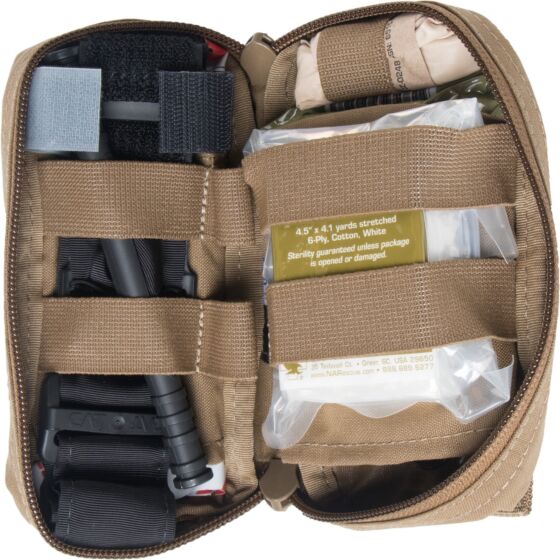 M-FAK Mini First Aid Kit$92.99
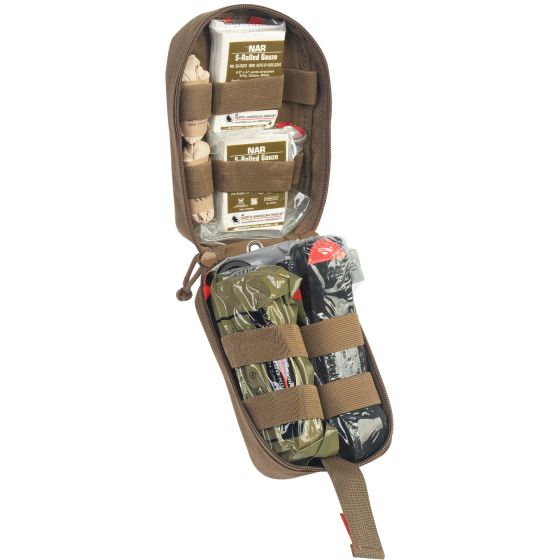 Tactical Operator Response Kits – T.O.R.K.$136.09
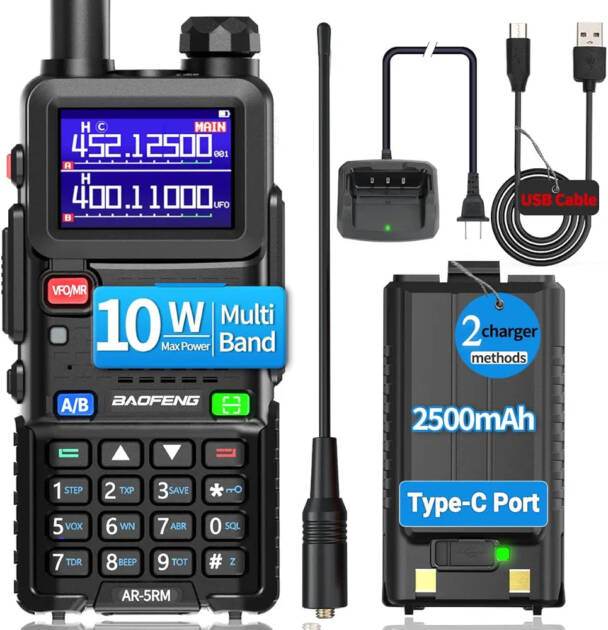 Baofeng UV-5RM$27.99
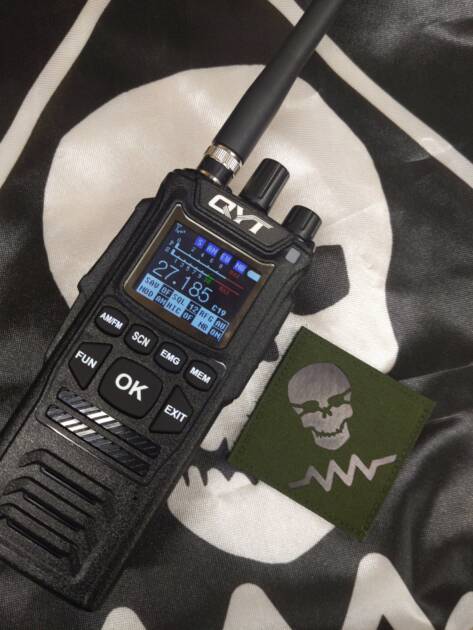 QYT CB-58$119.99
 Heaven’s Harvest One Week Kit$109.99
 Peak Refuel White Chicken Chili$13.95
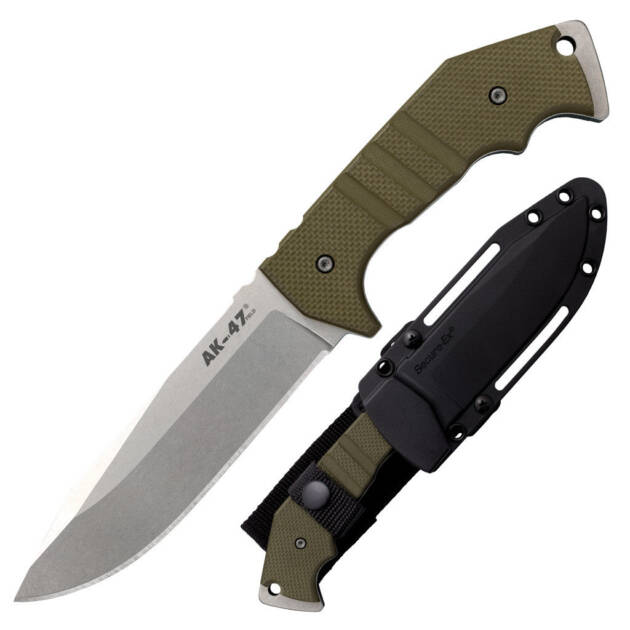 Cold Steel AK-47 Field Fixed Blade Knife (5.5″ Stonewash) – 14AKVG$146.99
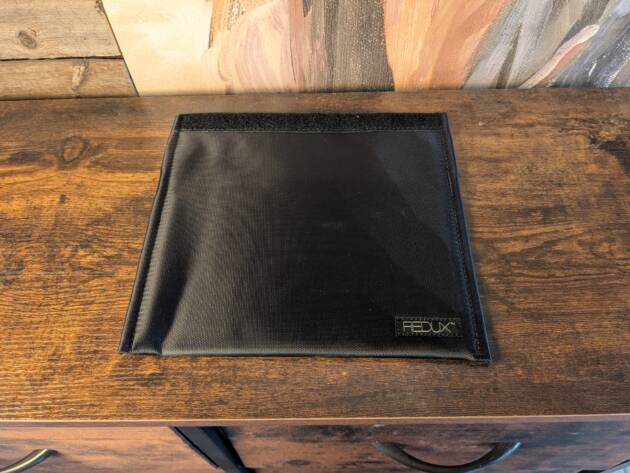 Large Utility Faraday Bag$25.00
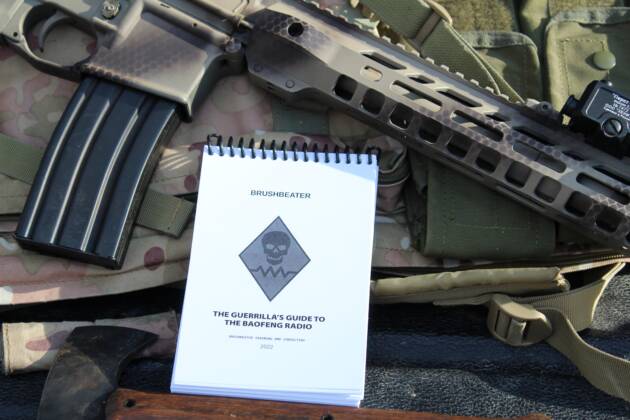 The Guerrilla’s Guide to the Baofeng Radio – Field Version$19.99
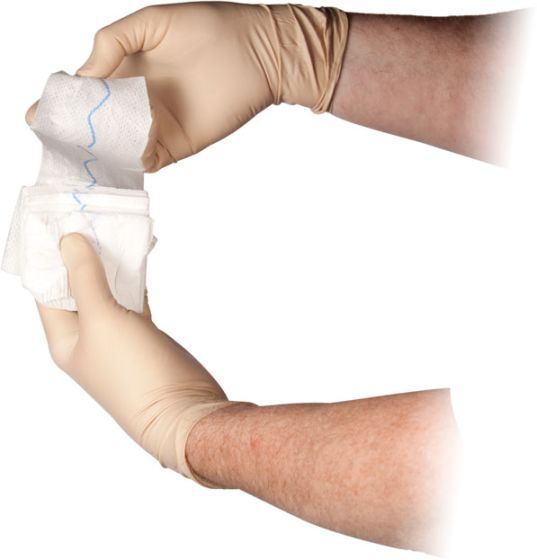 QuikClot Z-Fold Vacuum Packed Combat Gauze$53.24
Keep at it
Go over this list every six months, swap out old food, water and batteries, and practice with your gear. If you want hands-on help, look at our training courses and books, or stop by the showroom in Yanceyville, NC. You can also contact us with questions.